

Key Takeaways
- Foam offers consistent support, good shape retention, and relatively easy maintenance.
- Down creates a soft, plush feel but needs regular fluffing.
- Blended fill combines a supportive core with a softer outer layer.
- The right choice depends on your comfort preferences, daily use, and maintenance habits.
A sofa may look perfect in your living room, but its cushions determine much of your seating comfort. The filling inside each cushion affects how soft the seat feels, how much support it provides, and how well it holds its shape over time.
Foam, down, and blended fill are three common options, each with different strengths and care requirements. Some provide a firm, supportive seat, while others create a soft, relaxed feel. Knowing these differences can help you choose a sofa that suits your home and daily routine.
What Are the Main Types of Sofa Cushion Fill?
Sofa cushions use different materials to create specific seating feels.
Foam Fill: Consistent Support and Shape Retention
Foam fill is a common choice for sofa seat cushions. Most foam cushions use polyurethane foam, a material that compresses under pressure and gradually returns to its original shape. Manufacturers can adjust foam density and firmness to create different seating experiences.
Common foam options include:
- High-Density Foam: Contains more material within a given volume and generally offers better resistance to wear and compression.
- High-Resilience (HR) Foam: Designed to provide a springier feel and good recovery after pressure is removed. It works well in cushions that receive frequent use.
- Memory Foam: Responds to body heat and pressure, allowing it to contour more closely to the body. It usually recovers more slowly than traditional seating foam.
Foam-filled sofa cushions offer several advantages. They provide predictable support, maintain a neat appearance, and require relatively little daily attention. They also come in different firmness levels, making them suitable for people who prefer anything from a soft seat to a firmer feel.
The main drawback is gradual wear. Repeated pressure can cause foam to soften or lose some of its original support, particularly if the material quality is low.

Down Fill: Softness and a Plush, Relaxed Feel
Down fill uses the soft clusters found beneath the outer feathers of ducks or geese. It is lightweight, naturally fluffy, and commonly combined with feathers in upholstered furniture.
Down and feathers have different properties:
- Down: Soft clusters without a central quill. They provide loft, lightness, and a plush feel.
- Feathers: Have a central shaft and a more defined structure. They add body and weight to the filling.
Many down-filled sofa cushions use a combination of both materials to balance softness and structure. Their main advantage is comfort. They create a relaxed seating feel that allows the body to sink into the cushion. They also give sofas a soft, full appearance that works well with casual and traditional furniture styles.
Still, loose down and feather filling needs regular attention. The material can shift or compress during use, so cushions need frequent fluffing and reshaping. Without proper care, they may look uneven or flattened.
Feather shafts can also work through weak cushion covers, and people sensitive to down or feathers should check the filling composition carefully.
Blended Fill: Combining Support and Softness
Blended fill combines different materials to create a more balanced seating experience. Instead of relying on a single filling, manufacturers use each material for a specific purpose.
Common combinations include:
- Foam Core + Down or Feather Wrap: The foam core provides support, while the outer layer adds softness and loft.
- Foam Core + Polyester Fiber Wrap: The foam maintains the cushion's structure, while the fiber layer softens the surface and creates a fuller appearance.
- Foam + Fiber + Down/Feather: Multiple materials work together to adjust the cushion's firmness, softness, and overall feel.
This construction gives shoppers more options. For example, foam and down sofa cushions can offer a supportive seat without losing the plush surface associated with natural feather filling.
The main trade-off is maintenance. Foam-and-fiber cushions usually need less attention than feather-wrapped designs, while down-wrapped cushions still require regular fluffing.

Adrian Sofa
Down vs. Foam vs. Blended Fill: How Do They Compare?
Each filling creates a different seating experience. Comparing their comfort, support, durability, and maintenance needs can help narrow down the best option for your home.
Comfort and Firmness
Foam offers a more controlled seating feel. Depending on its firmness, it can provide a soft surface or a firmer seat with less sinking.
Down creates a softer, more relaxed feel. It moves around the body and offers a plush surface, making it appealing to people who enjoy sinking into their sofa.
Blended fill sits between these options. A foam core supports the body, while the outer layer adds softness. The final feel depends on the thickness and type of each layer.
Support and Shape Retention
Foam generally provides more consistent support because it has a defined structure. Quality foam cushions can recover their shape after regular use, although gradual compression is still possible.
Loose down and feather filling behaves differently. It shifts under pressure and needs redistribution to maintain an even surface.
Blended cushions use a supportive core to reduce this problem. The foam helps maintain the main cushion structure, even as the outer filling moves or flattens.
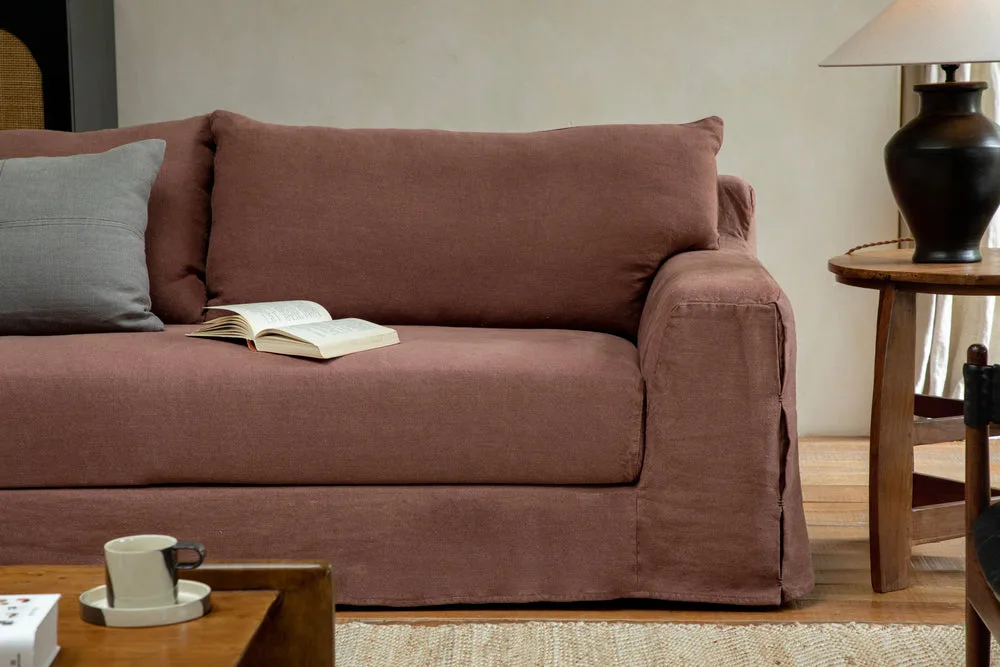
Durability and Maintenance
The durability of sofa cushion filling depends on material quality, construction, usage, and care. High-quality foam can maintain its support for years, while lower-quality foam may soften more quickly. Down-filled cushions can remain comfortable with regular fluffing, but their appearance requires more attention.
Blended cushions vary according to their outer materials. Fiber-wrapped foam usually requires less reshaping than foam wrapped in feathers or down.
Quick Comparison Table
| Factor | Foam | Down | Blended Fill |
|---|---|---|---|
| Comfort | Consistent and responsive | Soft and plush | Balanced |
| Support | Generally strong | Depends on construction | Generally good |
| Shape Retention | Good | Needs regular fluffing | Varies by design |
| Maintenance | Low | High | Moderate |
| Appearance | Structured | Relaxed and full | Full and adaptable |
| Best For | Everyday support | Plush comfort | Balanced comfort |
These are general tendencies, not fixed rules. Foam density, down-to-feather ratios, cushion thickness, and internal construction can all change the final result.
How to Choose the Right Sofa Cushion Fill for Your Lifestyle
A comfortable sofa should fit your daily routine.
Consider How Often You Use Your Sofa
If your sofa is the main seating area in your home, choose a filling that can handle frequent use.
- Everyday seating: High-quality foam or foam-based blended cushions can provide consistent support with relatively little maintenance.
- Occasional seating: Down-filled cushions may suit guest rooms or formal living areas where a plush appearance is a priority.
- Multi-purpose living spaces: Foam and down blends can provide a balance of support and surface softness for reading, watching TV, and relaxing.
Match the Fill to Your Preferred Seating Feel
Your preferred seating feel is another important factor.
- Prefer a firmer seat? Consider high-resilience foam for responsive support and less sinking.
- Prefer a soft, relaxed seat? Down and feather filling can create a plush, enveloping feel.
- Want both softness and support? Look for foam cores wrapped in down or polyester fiber.
A soft comfy sofa does not always need loose down filling. A foam cushion with a soft outer wrap can also provide a comfortable surface while keeping the main support structure intact.

Castor Slipcover Sofa Chair
Think About Your Household and Maintenance Habits
Families with children or pets may prefer foam or fiber-wrapped cushions because they are generally easier to maintain. Down-filled cushions can still work in these homes, but they need more frequent fluffing and care.
People sensitive to natural down or feathers may prefer foam or synthetic fiber alternatives. Check the full material description instead of relying only on the product's comfort label.
Also consider how much time you want to spend maintaining your sofa. A plush feather cushion may look appealing, but its upkeep may not suit a busy household.
Set a Budget Without Overlooking Quality
Different fillings and construction methods can affect sofa prices. Natural down, specialized foam, and layered cushion designs may increase material and manufacturing costs. Still, a higher price does not automatically guarantee better comfort or durability.
Compare the foam specifications, filling composition, cushion construction, warranty coverage, and replacement options. A well-made foam cushion may offer better long-term value than a poorly constructed blended cushion.

What to Look for When Buying a Sofa with the Right Cushion Fill
After choosing a preferred filling type, check the details behind the product description.
Check Foam Density and Firmness Separately
Foam density and firmness are two different measurements.
Density refers to the weight of foam within a given volume. It helps indicate how much material is used and can provide useful information about durability.
Firmness describes how much resistance the foam offers when compressed. It is commonly measured using Indentation Force Deflection (IFD) or Indentation Load Deflection (ILD) tests.
High-density foam is not automatically firm. A dense foam can still feel soft, while a less dense foam may feel quite firm at first.
Ask the seller about foam density, firmness ratings, and the type of foam used in the seat cushions. These details provide a clearer picture than a general label such as "premium foam."
Ask About Down and Feather Composition
For down-filled sofa cushions, check the down-to-feather ratio and the type of filling used.
A higher down content generally creates a softer, lighter feel, while a higher feather content adds more body and structure.
Also ask if the filling sits inside a separate inner liner. Some cushions use channel or baffle construction to help keep the filling distributed across the cushion instead of collecting in a few areas.
Understand the Internal Cushion Construction
A cushion's internal layers affect how it feels and performs. For example, a foam core wrapped in down has a different structure from a cushion filled entirely with loose feathers.
Check the following details:
- What material forms the main support core?
- Is the outer layer made from down, feathers, or polyester fiber?
- Does the cushion have a separate inner cover?
- Can the foam insert be removed and replaced?
Seat and back cushions may also use different fillings. Seat cushions generally need more support, while back cushions can use softer materials for a relaxed feel.
Test the Sofa Before Buying
If possible, sit on the sofa in person rather than judging its comfort from product photos.
Try these simple checks:
- Sit in your usual position and see if the cushion supports your body comfortably.
- Lean back and check the relationship between the seat and back cushions.
- Change positions to see if the cushion remains comfortable.
- Stand up and observe how quickly the cushion recovers.
- Sit near the edge to check if it provides enough support.
Also pay attention to seat depth, seat height, and back support. These features can affect comfort just as much as the filling itself.
Find the Right Balance of Comfort, Support, and Maintenance
Choosing the right sofa cushion fill comes down to your comfort preferences and daily needs. Foam offers consistent support and easier care, down provides a soft and relaxed feel, and blended fill combines a supportive core with a softer surface. Check the material specifications, test the cushions, and consider their maintenance requirements before buying. The best choice is a cushion construction that feels comfortable and fits your lifestyle over time.
FAQs about Sofa Cushion Fill
Q1: Can You Replace the Filling in Sofa Cushions?
Yes, many sofa cushions have removable covers or inserts that allow the filling to be replaced. You can replace a worn foam core, add new fiber filling, or have a cushion professionally refilled. Check the original dimensions and internal construction to make sure the replacement fits properly.
Q2: Why Do Sofa Cushions Start Sagging?
Sofa cushions can sag because of foam compression, loose or uneven filling, or worn support systems beneath the seat. Frequent use in the same seating area can also create uneven wear. If the cushion stays flat after reshaping, the filling or internal support may need repair or replacement.
Q3: Should Sofa Seat Cushions and Back Cushions Have the Same Filling?
Not necessarily. Seat cushions need to support body weight, so they often use foam or a foam-based blend. Back cushions can use softer fiber, down, or feather combinations because they focus more on comfort and body contouring. Using different fillings can help create a more balanced seating experience.
Q4: What Is the Difference Between Down and Down Alternative Sofa Cushions?
Natural down comes from ducks or geese and offers lightweight, plush cushioning. Down alternative usually uses synthetic fibers designed to imitate down's softness and loft. It can suit shoppers who prefer to avoid animal-derived materials or want a different care routine. The exact feel and durability depend on the fiber type and cushion construction.