

Key Takeaways
- Check the upholstery cleaning code before choosing a cleaning method.
- Vacuum loose dirt and crumbs before treating stains.
- Use a suitable cleaner and test it on a hidden spot first.
- Keep moisture away from the wood frame and seat padding.
- Let the upholstery dry fully before using the chair again.
Upholstered wood chairs add comfort and style to dining rooms, but their fabric seats can collect crumbs, spills, dust, and grease. Cleaning them takes a little care because the fabric, padding, and wooden frame can react differently to moisture and cleaning products. With the right supplies and a few simple steps, you can remove everyday dirt while protecting the chair's finish and keeping the seat in good shape.
What to Know Before Cleaning an Upholstered Wood Chair
A quick check before cleaning can help prevent stains, water marks, and damage. Start with the fabric care instructions, then choose tools and products that suit the chair's materials.
Check the Upholstery Cleaning Code
Look for a care tag under the seat or check the furniture's care instructions. Upholstery often uses letters to show which cleaning methods are allowed.
- W: Water-based cleaners may be used according to the care instructions.
- S: A suitable solvent-based cleaner is required. Avoid water-based products.
- WS or SW: Water-based or solvent-based products may be allowed.
- X: Vacuuming or gentle brushing is generally recommended. Do not use water or cleaning solvents unless the manufacturer gives different instructions.
These codes help you choose a safe method, but they do not guarantee that every product will work on the fabric. Follow the manufacturer's directions if they are more specific.

Identify the Fabric and Check Whether the Seat Is Removable
Check the seat material and its construction. Cotton blends, polyester, linen, velvet, and textured fabrics can have different cleaning needs. Some fabrics may shrink, fade, or develop water marks if cleaned with the wrong product.
Look under the chair to see if the seat is attached with screws. A removable seat can be easier to clean on a flat surface, but removal does not automatically make the fabric washable. If the seat has a removable cover, check its care label before taking it off or putting it in a washing machine.
Gather the Right Cleaning Supplies
Prepare your tools before starting so you can work without spreading moisture or dirt.
Useful supplies include:
- A vacuum cleaner with a suitable upholstery attachment
- Clean white microfiber cloths
- A soft-bristled brush, if the fabric allows brushing
- A compatible dining chair upholstery cleaner
- A small bowl of water, only if the care instructions permit water-based cleaning
Avoid bleach, abrasive brushes, and strong multipurpose cleaners unless the manufacturer specifically approves them for the material.
How to Clean an Upholstered Seat on a Wood Chair Step by Step
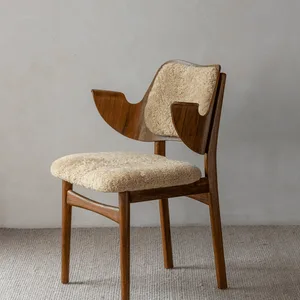
With the fabric checked and supplies ready, you can clean the seat in a simple order. Removing loose dirt first helps prevent crumbs and grit from rubbing into the fabric during stain treatment.
Remove Loose Dust and Debris
Start by vacuuming the seat with a suitable upholstery attachment. Move slowly across the surface, paying attention to seams, piping, buttons, and the gaps around the seat edges. These areas often collect crumbs, dust, and pet hair.
Use low suction and a gentle attachment on delicate fabrics. For textured upholstery, avoid tools that can snag loose loops or pull threads. If crumbs are trapped in a seam, use a soft brush to loosen them gently before vacuuming.
Blot Spills and Test the Cleaner
If the seat has a fresh spill, use a clean, dry white cloth to absorb as much liquid as possible. Press gently instead of rubbing. Rubbing can push the liquid deeper into the padding or spread the stain.
Next, test the cleaning product on a hidden area, such as the underside of the seat. Follow the product directions and let the test area dry completely. Check for color transfer, fading, changes in texture, or water marks before cleaning the visible surface.
Clean the Upholstery According to Its Care Instructions
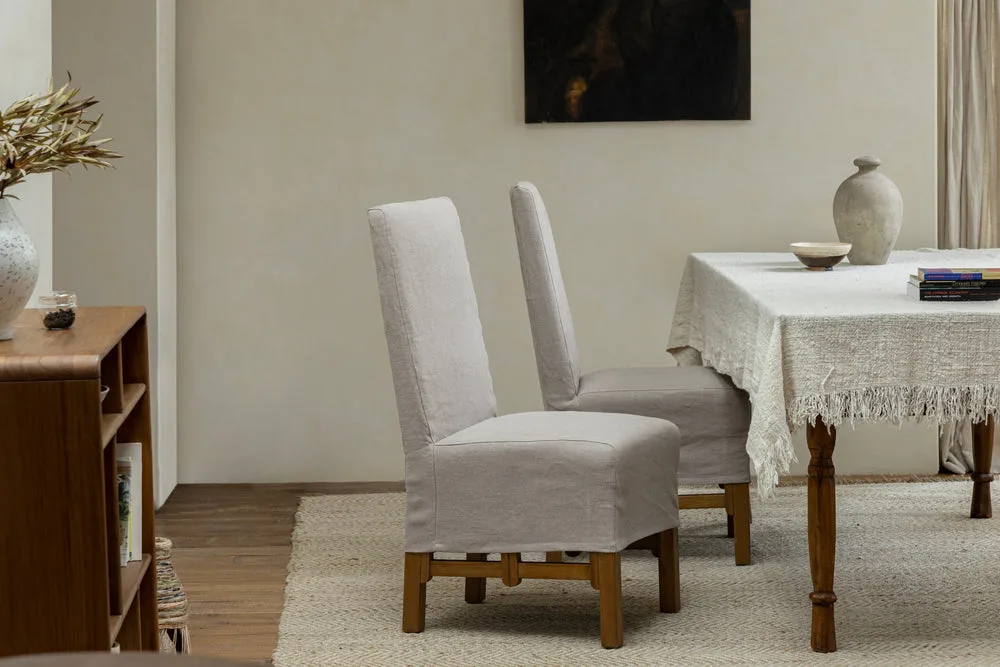
Apply the approved cleaner as directed. For fabric that permits water-based cleaning, use a small amount of suitable solution on a cloth or as instructed on the product label. Avoid soaking the seat or spraying liquid directly near the wooden frame.
Work gently on the stained area. Use light dabbing or blotting motions rather than hard scrubbing. If the fabric requires solvent-based cleaning or dry methods, follow those instructions instead of substituting water.
For routine upholstered dining chair cleaning, focus on removing surface dirt and visible spots without wetting the entire cushion unnecessarily. If the care instructions call for cleaning a larger fabric panel evenly, follow that advice to reduce the risk of uneven marks.
Remove Residue and Let the Seat Dry Completely
If the cleaner requires rinsing or residue removal, follow its directions. For upholstery that allows it, use a clean cloth lightly dampened with water to lift remaining product, then press a dry towel against the surface to absorb moisture.
Leave the chair in a well-ventilated area until the seat is completely dry. Keep it away from direct high heat, and do not use the chair while the padding still feels damp. Moisture trapped inside the cushion can cause lingering odors and may affect nearby wood components.
How to Remove Common Stains from Upholstered Chair Seats
Different spills call for slightly different approaches. Acting quickly usually makes stain removal easier, but the fabric's cleaning code should always determine which products and methods are safe.
Food and Drink Stains
For coffee, tea, juice, or other drinks, blot the spill immediately with a clean white cloth. Remove solid food gently with a spoon or another blunt tool, taking care not to scrape the fabric.
Use a compatible upholstery cleaner according to its directions. Work carefully and avoid spreading the stain into a larger area. Some food dyes and older drink stains may remain after cleaning, so avoid repeated scrubbing if the stain does not lift.
Grease and Oil Stains
Greasy food can leave a mark that water alone may not remove. First, lift away any solid residue and gently blot excess oil with a dry cloth. Then use a cleaner approved for both the fabric and the type of stain.
Do not apply alcohol, dish soap, or a solvent without checking compatibility. Some products can damage dyes or surface treatments. If the grease has soaked into the padding or covers a large area, professional cleaning may be the safer option.
Pet Hair and Everyday Dirt
Vacuuming is usually the first choice for loose pet hair and everyday dust. Use an attachment suited to the fabric, and check seams and corners carefully.
A soft upholstery brush or fabric-safe hair remover may help with remaining hair. Test it on a hidden area first, especially on textured or delicate fabrics. Avoid sticky tools or rough rubbing if they pull threads, flatten the pile, or leave residue.
How to Clean the Wooden Frame Without Damaging the Upholstery
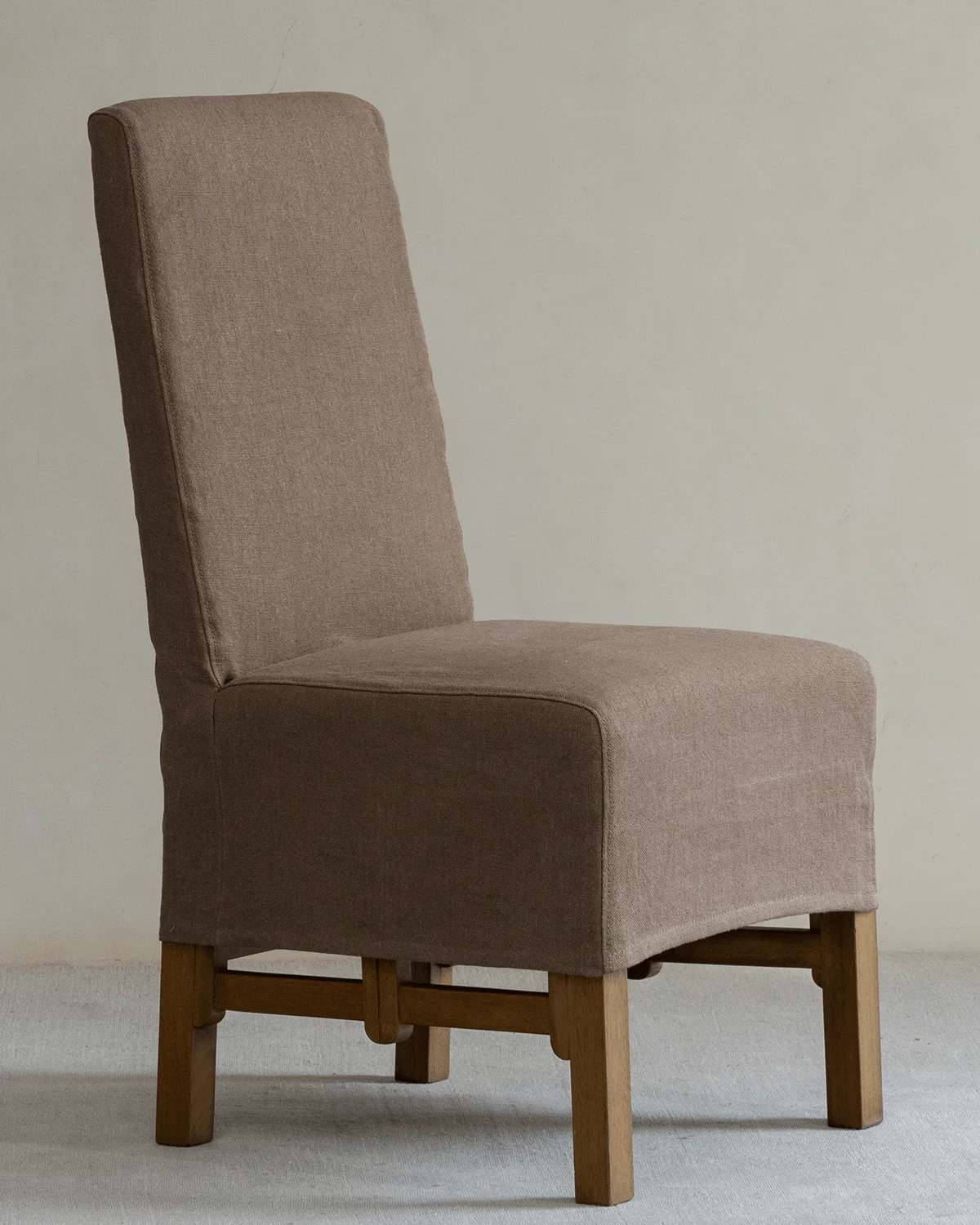
The wooden frame needs a separate cleaning method. Using the same products on both materials can damage the wood finish or leave cleaner on the fabric.
Wipe the frame with a clean, soft cloth to remove dust. If more cleaning is needed, use a lightly dampened cloth only if suitable for the wood's finish. Dry the surface promptly, paying attention to joints, screw holes, and the area where the upholstered seat meets the frame.
Do not spray cleaner directly onto the chair. Apply any approved wood-care product to a cloth first, keeping it away from the fabric. Painted wood, sealed hardwood, and wood veneer can have different care needs, so check the furniture instructions before using polish or other treatments.
If you are learning how to clean wooden dining chairs, remember that less moisture is usually safer. Avoid soaking the frame or allowing water to sit around joints, as this can damage the finish or affect wood components over time.
Common Upholstery Cleaning Mistakes to Avoid
A few common mistakes can turn a small cleaning task into a costly repair. Keep these points in mind whenever you clean a fabric seat.
- Using too much water: Excess moisture can reach the padding, seat base, or wood joints.
- Scrubbing too hard: Friction can damage fibers, spread stains, or change the fabric's texture.
- Skipping the spot test: A cleaner may cause fading, discoloration, or water marks.
- Using an unapproved steam cleaner: Heat and moisture may damage certain fabrics, adhesives, or finishes.
- Mixing cleaning products: Combining products can create harmful fumes or damage upholstery.
- Drying with direct high heat: Hot air or close contact with a heater can affect some fabrics and finishes.
- Removing a cover without checking its care label: The cover may shrink, stretch, or fail to fit properly after washing.
If a stain remains after a careful attempt, stop rather than applying stronger products at random. Repeated treatment can cause more damage than the original stain.

How to Keep Upholstered Wood Chairs Clean Longer
Regular care reduces the amount of dirt that builds up and makes deep cleaning less frequent.
- Vacuum the seats about once a week if the chairs are used often, adjusting the schedule to match household activity and the fabric's needs.
- Wipe away crumbs after meals, and blot spills as soon as they happen.
- Check seams and edges regularly for trapped debris or loose threads.
- If you use separate chair cushions for dining chairs, clean them according to their own care labels. Do not assume a removable cushion can go in the washing machine.
- For chairs used daily, avoid eating over the seat when possible and address greasy marks promptly.
- After any wet cleaning, make sure the seat is fully dry before use.
- If it develops a persistent odor, widespread water marks, or stains that appear to come from inside the padding, consider a professional upholstery service.
Conclusion
Cleaning an upholstered seat on a wood chair is easier when you use the right method for each material. Check the care code, remove loose dirt, test the cleaner, and treat stains gently. Keep moisture away from the wooden frame and let the seat dry completely before sitting on it again. Regular vacuuming and quick spill cleanup can help preserve the chair's appearance and extend its useful life.
FAQs about Upholstered Chair Cleaning
Q1: Can You Use Dish Soap to Clean Upholstered Chair Seats?
Only if the fabric care instructions and the cleaning product's directions allow it. Dish soap may leave residue or affect certain fabrics and finishes. Use a suitable upholstery cleaner when recommended, and always test the product on a hidden area first.
Q2: How Do You Remove Old Stains from Upholstered Dining Chairs?
Start by checking the fabric cleaning code and identifying the stain if possible. Use a compatible cleaner, follow its directions, and blot gently instead of scrubbing. Old stains may have bonded with the fibers or reached the padding, so some marks may require professional treatment.
Q3: Can You Steam Clean an Upholstered Wood Chair?
Do not assume steam cleaning is safe. Heat and moisture can affect delicate fibers, dyes, adhesives, padding, and nearby wood components. Use a steam cleaner only if the furniture manufacturer explicitly permits it for the specific upholstery and chair construction.
Q4: What Should You Do If Your Upholstered Chair Has No Cleaning Label?
Look for the manufacturer's care instructions or contact the seller for advice. Until you confirm the recommended method, remove loose dirt with a gentle vacuum attachment and avoid applying water, solvents, or other cleaning products. A professional cleaner can help assess delicate or unknown fabrics.